Capturing the Moment: Staging “Someone Cutting Ribbon” for a New Building to Highlight Your Brand

Starting a new business or moving to a new location is a big deal. A ribbon-cutting ceremony is a classic way to open a new building. It creates excitement and buzz around your brand launch.
A ribbon-cutting ceremony can make a big impact if done right. It's not just about the new building opening. It's also a chance to show off your brand's identity and values.
Key Takeaways
- A well-planned ribbon-cutting ceremony can boost brand visibility.
- It provides a unique chance to engage with the community and media.
- A successful event can lead to increased brand loyalty and customer retention.
- Effective promotion of the ceremony is crucial for maximizing impact.
- A ribbon-cutting ceremony can be a memorable experience for attendees.
The Significance of Ribbon-Cutting Ceremonies in Brand Launches
Brands aim to leave a lasting mark, and ribbon-cutting ceremonies are a key tradition. They mix old customs with new marketing strategy. This event is not just a ritual; it's a way to create unforgettable brand moments.
Historical Context of Ribbon-Cutting Traditions
Ribbon-cutting ceremonies started in the 19th century with the U.S. transcontinental railroad. Since then, it's become a sign of new starts. "The act of cutting a ribbon signifies the transition from anticipation to reality," says a marketing pro. This history shows why these ceremonies are important today.
Why Ribbon-Cutting Ceremonies Matter for Brand Identity
Ribbon-cutting ceremonies are vital for brand identity. They capture a brand's essence and mission in a real moment. They let brands connect with people on an emotional level, making a strong impression that goes beyond ads.
Modern Adaptations for Maximum Brand Impact
In today's fast-paced market, making ribbon-cutting ceremonies modern is essential. Brands can add digital touches, like live streaming, or showcase their innovative side. This way, they can make a bigger splash and reach more people.
Planning Your Ribbon-Cutting Event: Timeline and Checklist
Planning a ribbon-cutting event well is key to its success. A well-organized ceremony boosts your brand's image. It also makes the event memorable for everyone who attends.
3-Month Planning Timeline
Start planning three months before the event. This gives you time to book a venue, make a guest list, and work with vendors.
- Month 1: Choose a venue and talk to vendors
- Month 2: Finish the guest list and send out invites
- Month 3: Check the details and get ready for the big day
Essential Elements Checklist
A detailed checklist is crucial for planning. Make sure you have these things ready:
- Ribbon and ceremonial scissors
- Branded backdrop and stage setup
- Sound and audio-visual equipment
Budget Considerations and Resource Allocation
Budget considerations are very important in event management. Spend wisely on key things like venue, food, and branding.
With a solid plan, your ribbon-cutting ceremony will be a hit. It will meet your brand's goals and leave a lasting impression.
Someone Cutting Ribbon to New Building: Selecting the Perfect Person

Choosing the right person to cut the ribbon is key to a successful event. They should match your brand's values and draw attention to your new building.
Choosing Between Executives, Celebrities, or Community Leaders
You have a few options for who should cut the ribbon: executives, celebrities, or community leaders. Each has its own advantages and disadvantages:
- Executives: They show the company's leadership and add a formal touch.
- Celebrities: They can bring in more people and create excitement.
- Community Leaders: They help build goodwill and show your commitment to the community.
Multiple Ribbon-Cutters: When and How
Having more than one person cut the ribbon can be good, like when you want to include many stakeholders. But, make sure to plan it well to avoid any awkwardness or delays.
Preparing Your Ribbon-Cutter for the Big Moment
After picking your ribbon-cutter, make sure they're ready for the event. Brief them on the ceremony, practice the ribbon-cutting, and check they're okay with the details. A well-prepared ribbon-cutter makes the event smooth and memorable.
Designing the Perfect Ribbon and Ceremonial Scissors
Creating the perfect ribbon and scissors is all about matching them to your brand and the event's theme. These tools are more than just items; they carry deep meaning and can make the event more special.
Ribbon Selection: Colors, Width, and Materials
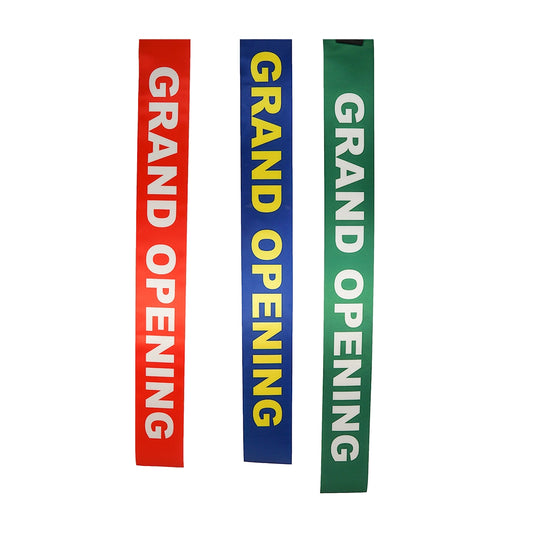
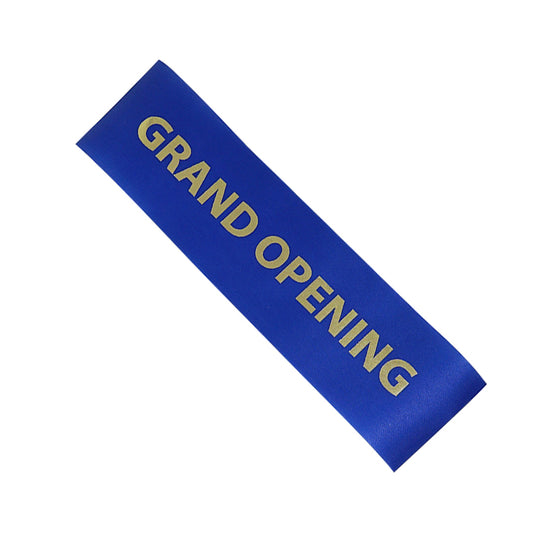
The ribbon you choose is a big deal. It shows off your brand and the event's spirit. Colors matter a lot; red means energy and blue means trust. The width should match the scissors and the place.
Materials like satin and grosgrain are favorites for their feel and look. Satin is smooth and shiny, while grosgrain has a textured vibe.
| Ribbon Material | Characteristics | Best Use |
|---|---|---|
| Satin | Smooth, lustrous finish | Formal events, luxury brands |
| Grosgrain | Textured, ribbed finish | Events where a more rustic or vintage look is desired |
Ceremonial Scissors: Options and Customization
Ceremonial scissors can be tailored to match your brand. You can pick from gold-plated, silver-plated, or custom-engraved scissors. The right choice should match the ribbon and the event's look.
Symbolic Elements to Consider
Adding symbolic elements to the ribbon and scissors can make the ceremony even more meaningful. For instance, scissors with a special logo or a ribbon in a color that stands for your brand's values.
By picking the right ribbon and scissors, you can make a memorable ceremony. It will show off your brand and impress everyone there.
Creating a Branded Backdrop and Stage Setting
To make your ribbon-cutting ceremony memorable, it's essential to create a branded backdrop that resonates with your brand's message.
Incorporating Your Brand Elements
Incorporating your brand elements into the backdrop and stage setting is vital. This includes using your brand's colors, logos, and taglines.
- Brand colors: Use your brand's signature colors to create a cohesive visual identity.
- Logos: Display your logo prominently to reinforce your brand.
- Taglines: Incorporate your tagline to add context and meaning.
Positioning for Maximum Brand Visibility
Positioning is key to ensuring maximum brand visibility. The backdrop should be placed in a way that it is visible in all photos and videos taken during the ceremony.
| Element | Positioning Tip |
|---|---|
| Backdrop | Ensure it's behind the ribbon-cutting area |
| Brand Logo | Place it at eye level for maximum visibility |
Weather Contingency Planning
For outdoor events, weather contingency planning is crucial. Having a tent or indoor backup plan can save the event from unexpected weather conditions.
"A good event plan is not just about the event itself, but about being prepared for anything that might happen." - Jane Smith, Event Planning Expert
- Tent or canopy: Protects against rain or direct sunlight.
- Indoor venue as backup: Provides an alternative in case of severe weather.
Inviting the Right Audience to Maximize Impact
Creating the perfect guest list is key for a memorable ribbon-cutting ceremony. A well-chosen audience makes the event more enjoyable and impactful. It also gets more media coverage and social media buzz.
VIP Guest List Strategies
Choosing and inviting VIPs is crucial for event buzz. This includes celebrities, business leaders, or influential community figures. Their presence boosts the event's importance and draws media.
Media Invitations and Press Kits
To get full media coverage, send out press kits with invitations. Press kits should have all the event details. This includes the ceremony's purpose, attendees, and the new facility's importance.
"The way to get started is to quit talking and begin doing." - Walt Disney
Community Engagement Approaches
Connecting with the local community is key for event success. Invite local leaders, organizations, and groups. Social media campaigns help get more community involvement.
Digital Audience Considerations
In today's digital world, think about your online audience too. Live streaming the event reaches more people. It makes the experience more inclusive.
| Guest List Category | Invitation Strategy | Expected Outcome |
|---|---|---|
| VIPs | Personalized invitations and press coverage | Media attention and event prestige |
| Media Representatives | Press kits and exclusive interviews | Comprehensive media coverage |
| Community Members | Social media campaigns and local outreach | Increased community engagement and participation |
Crafting the Perfect Ceremony Script and Speeches
A ribbon-cutting ceremony is more than a formal event. It's a chance to share your brand's story through a well-written script. The timing, flow, and messaging are key to making it memorable.
Timing and Flow of the Ceremony
The ceremony should move smoothly, with a clear start, middle, and end. It usually lasts from 15 to 30 minutes. Make sure to balance speeches, presentations, and the ribbon-cutting to keep everyone interested.
Key Messaging Points to Include
Your script should highlight your brand's values and mission. As Steve Jobs once said, "Innovation distinguishes between a leader and a follower." This shows innovation's importance in brand launches. Include messages about your brand's unique selling points, community commitment, or future vision.
Balancing Formality with Brand Personality
Even though it's formal, your ceremony should also show your brand's personality. Use language and tone that fits your brand's voice. Add elements that highlight your brand's culture and values.
Handling the Countdown and Actual Cutting Moment
The countdown and ribbon-cutting are the ceremony's peak. Make sure your script builds up to this moment, creating excitement. When the ribbon is cut, have a plan for what happens next, like a photo shoot or a facility tour.
By carefully crafting your ceremony script and speeches, you can make a memorable ribbon-cutting event. It will leave a strong impression on your audience.
Photography and Videography: Capturing the Perfect Moment
The right photography and videography techniques can make your ribbon-cutting event unforgettable. To capture the essence of this moment, it's essential to plan your visual strategy carefully.
Camera Positioning for Optimal Shots
Proper camera positioning is crucial for capturing high-quality visuals. Place cameras at different angles to capture the ribbon-cutting moment from multiple perspectives. This will provide a variety of shots for your marketing materials.
Must-Have Shots Checklist
- The ribbon-cutting moment
- Reaction shots of attendees
- Close-ups of the ceremonial scissors
- Wide shots of the venue and attendees
Live Streaming Considerations
Live streaming can expand your event's reach beyond the physical attendees. Choose a reliable platform and ensure a stable internet connection to avoid any disruptions.
Drone and Aerial Photography Options
Consider incorporating drone photography to capture aerial views of your venue. This can add a unique perspective to your visual content and highlight the scale of your new building.
By combining these visual elements, you can create a compelling narrative that showcases your brand's new chapter.
Common Pitfalls to Avoid During Ribbon-Cutting Ceremonies
A successful ribbon-cutting ceremony needs careful planning. Event managers must think about many things to make it smooth and memorable.
Technical Issues and How to Prevent Them
Technical problems can ruin a ribbon-cutting ceremony. To avoid this, test all audio-visual equipment before the event. Do sound and video checks and have a backup plan for equipment failure.
Timing and Scheduling Mistakes
Timing is key at a ribbon-cutting ceremony. Start on time and keep the program moving to keep everyone engaged. Plan for delays and add some extra time to your schedule.
Brand Messaging Missteps
Keeping your brand message consistent is important. Make sure all messages, from invites to speeches, match your brand.
Crowd Management Challenges
Managing the crowd well is crucial. It prevents overcrowding and keeps everyone safe. Think about the venue's size and use crowd control if needed.
As an event expert says, "
Crowd management is not just about safety; it's also about creating a positive experience for attendees.
" Knowing these common problems and how to fix them helps event managers have a great ribbon-cutting ceremony.
Leveraging Social Media Before, During, and After the Event
Social media is a powerful tool for building excitement, capturing moments, and extending the life of your ribbon-cutting ceremony. By using these platforms well, you can greatly increase the event's impact and reach.
Pre-Event Teasers and Countdown Strategies
Building excitement before the event is key. Use social media teasers to give a sneak peek of what's coming. A countdown on your social media can make everyone look forward to it.
Share behind-the-scenes looks at the ceremony prep to get people excited and engaged.
Live Event Coverage Tactics
During the event, live streaming is great for capturing the moment and including those who can't be there. Use Facebook Live or YouTube Live to stream the ceremony.
Ask attendees to share their experiences on social media with a branded hashtag. This boosts the event's online presence.
Post-Event Content Calendar
Keep the excitement going after the event by sharing content. Include highlights, speeches, and attendee reactions.
Hashtag Strategies and Engagement Techniques
A good hashtag strategy is key for tracking the event's social media impact and getting people to share. Create a unique hashtag for the event and share it on all your social media.
Interact with your audience by replying to their posts and messages. This builds a community and strengthens your brand's online presence.
Conclusion: Turning a Momentary Ribbon-Cutting into Lasting Brand Equity

A well-planned ribbon-cutting ceremony can be a key moment for a brand. It leaves a strong impression on everyone who attends. This event can also reach a wider audience, making a big impact.
To make this moment last, focus on the details. Choose the right ribbon-cutter and design a backdrop that shows off your brand. Every part of the event should match your brand's message and values. This way, you create a memorable experience that helps your brand succeed.
In the end, a ribbon-cutting ceremony is more than just a ceremony. It's a chance to build your brand's value and make a lasting impression. By using the tips from this article, your event can have a big impact. This will help your brand succeed for a long time.
FAQ
What is the significance of a ribbon-cutting ceremony for a brand launch?
A ribbon-cutting ceremony is a big deal. It marks the opening of a new place, creating excitement. It's a chance for brands to make a lasting impression, increase awareness, and connect with people.
Who should I choose to cut the ribbon at my event?
Choosing the right person to cut the ribbon is key. It should match your brand's image and event vibe. Think about someone who represents your brand well or is important to your community.
How do I plan a successful ribbon-cutting ceremony?
Planning a great ribbon-cutting ceremony takes some work. Make a timeline, a checklist, and think about your budget. Know what you want to achieve, where it's happening, and what you need to make it happen.
What are the key elements to include in the ceremony script?
Your ceremony script should have important messages, welcome words, and a clear plan. Mix formal parts with your brand's personality to make it memorable.
How can I capture the perfect moment during the ribbon-cutting ceremony?
To get the perfect shot, hire a pro photographer or videographer. Make sure they're ready to capture the big moment and have the right gear for live streams or drones.
What are some common pitfalls to avoid during a ribbon-cutting ceremony?
Watch out for tech problems, timing issues, and missteps in messaging. Also, managing the crowd can be tough. Have a backup plan to avoid these problems and keep your event smooth.
How can I leverage social media to maximize the impact of my ribbon-cutting ceremony?
Use social media to build excitement before, during, and after your event. Share teasers, live updates, and plan posts. Use hashtags and engage with your audience to spread the word.
What are some tips for creating a branded backdrop and stage setting?
Make your backdrop and stage pop with your brand's look. Place them for the best view and have a plan for bad weather. Your setup should look good and match your brand.
How can I ensure that my ribbon-cutting ceremony is accessible to all?
To make your event open to everyone, think about your guests' needs. Make sure the place is easy to get to and offer any needed help.