Colored Ribbon Creativity: 7 Ways to Match Palette and Purpose for Unforgettable Openings

Details are key when making a lasting impression at events and ceremonies. The colored ribbon used in ribbon cutting ceremonies is often overlooked but has a big impact. The right ribbon can change the mood and feel of an event.
Color psychology is vital in event planning. Colors can make people feel different ways. By picking the right ribbon color, you can make your event feel more connected and meaningful.
This article will show you 7 ways to pick the perfect colored ribbon for your event. You'll learn how to make your event memorable.
Key Takeaways
- Understand the emotional impact of different colors on event attendees.
- Learn how to choose the right colored ribbon for your event's purpose.
- Discover 7 creative ways to incorporate colored ribbons into your event.
- Enhance your event planning skills with color psychology insights.
- Create unforgettable openings with thoughtful ribbon choices.
The Power of Ceremonial Ribbon Moments
Ceremonial ribbon moments create unforgettable experiences. They symbolize new beginnings, grand openings, and significant milestones. The use of ceremonial ribbons adds elegance and significance to these events, making them memorable.
The tradition of ribbon cutting ceremonies has a long history. It marks the start of new ventures, projects, or establishments. It's a moment filled with anticipation and excitement, marking the transition from preparation to action.
The Symbolic Significance of Ribbon Cutting
The act of cutting a ribbon is more than a gesture. It symbolizes breaking barriers, opening new doors, and starting a new chapter. This act is often followed by unveiling new facilities, products, or services, highlighting the moment's significance.
- Ribbon cutting signifies new beginnings.
- It's a moment of celebration and achievement.
- The ceremony is often attended by dignitaries, stakeholders, and the media.
First Impressions: Why Color Selection Matters
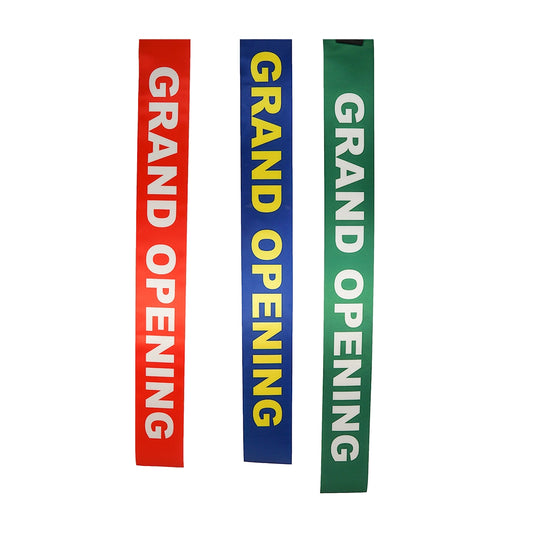
The choice of ribbon color is crucial. It sets the tone for the event and creates a first impression. Different colors evoke different emotions and convey various messages. For instance, red symbolizes energy and passion, while blue represents trust and stability.
Selecting the right color for the ribbon cutting ceremony is essential. It aligns with the event's purpose and the host's brand identity. It can enhance the overall experience, making it more impactful and memorable.
Choosing the right ribbon color can make a significant difference in the overall perception of the event.
Understanding Color Psychology for Ribbon Selection
Colors have a big impact on how we feel and what we think. They can make us feel certain ways and send messages. So, picking the right color for your event or product is key.
Emotional Responses to Different Colors
Colors can really stir up emotions. For example, red makes us think of energy and passion. On the other hand, blue feels calming and trustworthy. Here's how different colors make us feel:
- Red: Energy, passion, love
- Orange: Vibrancy, excitement, warmth
- Yellow: Happiness, optimism, caution
- Green: Calmness, growth, harmony
- Blue: Trust, serenity, professionalism
Knowing how colors affect us helps us pick the right ones for our events.
Cultural Considerations in Color Selection
Colors mean different things in different cultures. What's good in one place might be bad in another.
Western Color Symbolism
In Western cultures, white is seen as pure and innocent. That's why it's often used in weddings. But, black is seen as a color for mourning.
International Color Meanings
In other parts of the world, colors have different meanings. For instance, in many Asian cultures, red means good luck and prosperity. But in South Africa, red is a color for mourning. It's important to know these meanings when picking colors for events or products that will be seen by people from different cultures.
"Colors can have different meanings in different cultures, so it's crucial to understand these nuances when making your selection."
By thinking about how colors make us feel and their cultural meanings, we can choose colors that will connect with our audience.
Essential Colored Ribbon Types and Materials

The world of colored ribbons is full of variety. Different types and materials offer many choices for various uses. Whether you want something luxurious or eco-friendly, there's a ribbon for you.
Satin, Grosgrain, and Specialty Ribbons
Satin, grosgrain, and specialty ribbons are favorites among many. Satin ribbons shine with a smooth finish, perfect for fancy events and wrapping gifts. Grosgrain ribbons have a textured look that adds a special touch.
Specialty ribbons, like those with metallic or glitter finishes, bring extra flair to your projects. Ribbon Crafts Magazine says, "Specialty ribbons are getting more popular for crafting and decoration, offering lots of creative options."
- Satin ribbons for a luxurious finish
- Grosgrain ribbons for a textured look
- Specialty ribbons for unique effects
Eco-Friendly and Sustainable Ribbon Options
There's a growing interest in eco-friendly and sustainable ribbon options. These are made from organic cotton, recycled paper, or biodegradable plastics.
"The Ribbon Association"
points out, "Eco-friendly ribbons are good for the planet and have a natural look that's becoming more popular."
| Ribbon Type | Material | Eco-Friendliness |
|---|---|---|
| Satin | Synthetic or natural fibers | Moderate |
| Grosgrain | Cotton or synthetic fibers | Moderate |
| Eco-Friendly | Organic cotton, recycled paper, or biodegradable plastics | High |
Method 1: Brand-Aligned Ribbon Palettes
Ribbons can be a powerful branding tool when matched with your corporate colors. Aligning ribbon colors with your brand's identity is key for a cohesive look. This approach not only boosts brand consistency but also makes your brand more memorable.
Matching Corporate Colors for Brand Consistency
Using ribbons that match your corporate colors can significantly boost brand consistency. This means picking ribbons that closely match your brand's primary and secondary colors. By doing so, you create a visual identity that is instantly recognizable to your audience.
For example, a company like Coca-Cola, known for its red and white branding, can use red and white ribbons. This creates a consistent brand image at events or product launches. This consistency reinforces the brand's identity and makes the brand more relatable.
Creating Custom Printed Ribbons for Maximum Impact
Custom printed ribbons offer an opportunity to add an extra layer of branding to your ribbon designs. By incorporating your brand's logo, message, or slogan onto the ribbon, you can create a unique and impactful branding element.
Some key benefits of custom printed ribbons include:
- Increased brand visibility
- Enhanced brand recognition
- Unique marketing opportunities
Case Study: Successful Brand Ribbon Campaigns
A notable example of a successful brand ribbon campaign is a fashion brand. They used custom printed ribbons with their logo on gift packaging. This added a touch of elegance to their gifts and reinforced their brand identity.
Design Tips for Brand-Specific Ribbons
When designing brand-specific ribbons, consider the color palette, material, and printing technique. For instance, satin ribbons are ideal for formal events, while grosgrain ribbons are more suitable for casual or rustic-themed events.
Some design tips include:
- Choose a ribbon material that aligns with your brand's image
- Select colors that match your brand's corporate colors
- Consider the printing technique to ensure high-quality results
Method 2: Seasonal Color Strategies
Choosing ribbon colors can be greatly influenced by the season. Seasonal color strategies help event planners create an immersive experience. This experience resonates with their audience.
Seasonal colors bring the spirit of each time of year to life. They are a powerful tool in event planning. Each season has its own unique palette that can enhance the event's ambiance.
Spring and Summer Ribbon Selections
For spring and summer events, think about ribbons in pastel shades, bright florals, and soft whites. These colors reflect the renewal and vibrancy of the season. They add a fresh and lively touch to the event. Some popular choices include:
- Soft pink and baby blue for a delicate, whimsical feel
- Bright coral and sunshine yellow for a vibrant, energetic atmosphere
- Mint green and lavender for a calming, elegant ambiance
Fall and Winter Ribbon Palettes
Fall and winter events need warmer, richer tones. Consider ribbons in deep reds, burnt oranges, and metallic silvers. These colors bring coziness and luxury to the colder months. They create a sophisticated and inviting atmosphere. Popular choices include:
- Rich burgundy and golden brown for a warm, autumnal feel
- Deep navy and metallic silver for a sleek, winter wonderland ambiance
- Forest green and crimson red for a festive, holiday-inspired look
By choosing ribbon colors that match the season, event planners can create a cohesive look. This look enhances the overall event experience.
Method 3: Industry-Specific Ribbon Color Codes
Ribbon colors send important messages at events. Each industry has its own colors for different reasons. Knowing these colors helps pick the right ribbons for your event.
Healthcare and Wellness Ribbon Choices
In healthcare, ribbons show support and awareness. Soft pastel colors like pale pink and baby blue are calming. Pink ribbons, for example, stand for breast cancer awareness.
Retail and Commercial Ribbon Traditions
Retail uses ribbons to promote and brand. Bold and vibrant colors like red and gold draw in customers. These colors make events feel festive and engaging.
Educational and Civic Ribbon Standards
In schools and civic events, ribbons celebrate achievements and spirit. Schools use their colors for unity and identity. For example, blue and white ribbons might be used at sports and graduations.
| Industry | Common Ribbon Colors | Occasions |
|---|---|---|
| Healthcare & Wellness | Pink, Pale Blue | Awareness campaigns, Support events |
| Retail & Commercial | Red, Gold | Sales, Grand Openings |
| Educational & Civic | School Colors (e.g., Blue, White) | Sports Events, Graduation Ceremonies |
Method 4: Event-Themed Ribbon Coordination
Choosing the right ribbon colors for an event is an art. It's about picking hues that match the occasion. This way, ribbons in ceremonies, packaging, or decorations fit the event's theme perfectly.
Using ribbons that match the event's theme makes the experience better for everyone. For example, ribbons can brighten up gift wrapping. They can also be part of the event's décor, making everything look cohesive.
Holiday and Celebration-Specific Ribbons
Each holiday or celebration has its own ribbon colors and patterns. For Christmas, red and green are classic. Easter often features pastel shades. Using these colors makes the event feel more festive and memorable.
| Holiday/Celebration | Traditional Ribbon Colors |
|---|---|
| Christmas | Red, Green, Gold |
| Easter | Pink, Blue, Yellow, Pastel Shades |
| Wedding | White, Ivory, Blush |
Cause-Related Ribbon Colors and Awareness
Ribbons can also show support for causes and raise awareness. Pink ribbons are for breast cancer, while red ribbons are for HIV/AIDS. Using these colors shows solidarity and support.
Some common cause-related ribbon colors include:
- Pink: Breast Cancer Awareness
- Red: HIV/AIDS Awareness
- Purple: Epilepsy Awareness
Method 5: Multi-Colored Ribbon Techniques
Multi-colored ribbons add a fun twist to ceremonies and events. You can make layered, braided, or woven designs. This way, you can show off your event's theme in a beautiful way.
Layering Different Ribbon Colors for Depth
Layering ribbons in different colors adds depth to your designs. Start with a neutral base ribbon. Then, add colored ribbons on top. This method lets you focus on certain colors or themes.
For example, red and white ribbons make a great combo for Valentine's Day. They create a striking look.
| Layering Technique | Description | Example Use Case |
|---|---|---|
| Single Layer | Using one ribbon color | Simple ceremonies |
| Double Layer | Layering two ribbon colors | Themed events like Christmas |
| Multi-Layer | Layering multiple ribbon colors | Complex events like weddings |
Braiding and Weaving Techniques for Unique Presentations
Braiding and weaving ribbons create unique designs. Braiding makes a rope-like effect by intertwining ribbons. Weaving forms a fabric-like pattern by interlacing ribbons.
Tips for Braiding and Weaving:
- Choose ribbons of complementary colors to enhance the visual appeal.
- Experiment with different ribbon widths and textures.
- Practice braiding and weaving techniques before the event to ensure a smooth execution.
Method 6: Lighting and Environment Considerations for Colored Ribbon Display
To make colored ribbons stand out, think about how they interact with light and their surroundings. The look of colored ribbons can change a lot based on where they are and the lighting.
Indoor vs. Outdoor Ribbon Color Selection
Choosing the right colored ribbons depends on if the event is inside or outside. Indoor events have steady lighting, making it easier to match colors. But, outdoor events face changing natural light and weather, which can alter ribbon colors.
For outdoor events, pick ribbons that stay bright in sunlight. Look for materials that don't fade and can handle different weather.
Lighting Effects on Ribbon Appearance
Lighting can greatly change how colored ribbons look. Different lights can make colors seem brighter or duller, and can even change the ribbon's texture.
Daytime vs. Evening Events
At daytime events, natural light shows off the ribbons' true colors. But, evening events use artificial lights, which can change how the ribbons look.
Photography Considerations for Ribbon Ceremonies
When ribbons are part of events that get photographed or filmed, think about how they'll look on camera. Photography considerations include making sure ribbon colors pop under the event's lighting. This is important because cameras will capture these colors.
Method 7: Personalized Ribbon Messaging and Embellishments
Adding text, graphics, and embellishments to ribbons makes them special. They can carry meaningful messages and leave a lasting impression. This turns ribbons into more than just decorations.
Adding Text and Graphics to Colored Ribbons
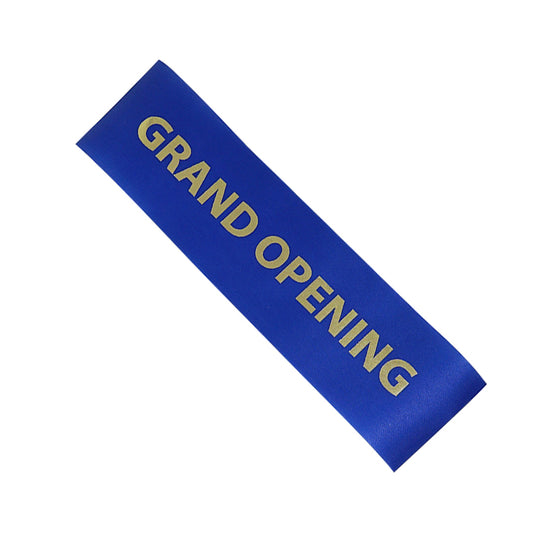
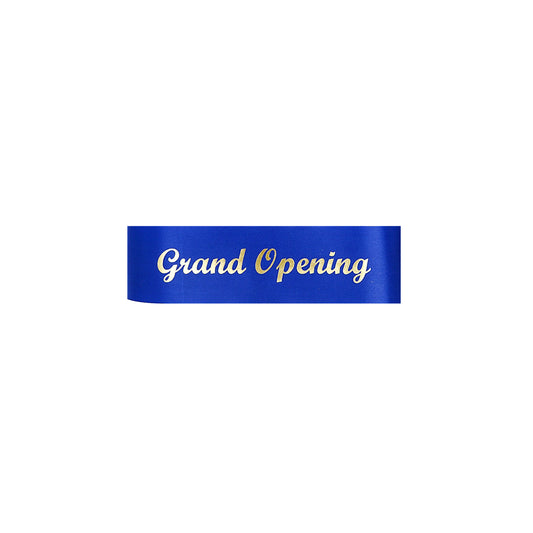
Personalized ribbons can be made by adding text or graphics that match the event's theme. Customized ribbons can have names, dates, or special messages. This makes them unique and memorable.
For example, a ribbon with a custom logo or message can boost brand visibility at events. Ribbons with names or initials can make wedding ceremonies or anniversaries more personal.
Embellishment Options: Glitter, Metallic, and Texture
Embellishments can make ribbons look even better. You can choose from glitter ribbons, metallic ribbons, and textured ribbons. Each type has its own look.
Glitter ribbons sparkle, while metallic ribbons look luxurious. Textured ribbons feel nice to touch.
| Embellishment Type | Description | Occasion |
|---|---|---|
| Glitter Ribbons | Adds sparkle and shine | Parties, Celebrations |
| Metallic Ribbons | Luxurious, sophisticated look | Corporate Events, Weddings |
| Textured Ribbons | Tactile experience | Anniversaries, Special Occasions |
Conclusion: Creating Memorable Moments with the Perfect Ribbon Selection

Choosing the right ribbon for your event can leave a lasting impression on your guests. This article has outlined 7 methods to help you match the ribbon to your event. This ensures a memorable experience for everyone.
A ribbon cutting ceremony can make your event even more special. It creates moments that people will remember for years. Think about brand alignment, seasonal colors, and industry codes when picking your ribbon.
The right ribbon does more than look good; it sets the mood for your event. Use the right colors, materials, and embellishments to create a unique experience. Whether it's a grand opening, wedding, or charity event, the right ribbon can be the key difference.
In conclusion, choosing the perfect ribbon is an art that needs careful thought. By using the 7 methods from this article, you can pick the right ribbon. This will make your next event or ceremony unforgettable.
FAQ
What is the significance of ribbon cutting ceremonies?
A ribbon cutting ceremony marks the start of an event, project, or business. It's a way to make the moment memorable and impactful.
How do I choose the right colored ribbon for my event?
The color of your ribbon should match your event's theme and purpose. Think about the emotions you want to create and the cultural meanings of colors.
What are the different types of colored ribbons available?
You can find many types of ribbons, like satin, grosgrain, and specialty ones. There are also eco-friendly options.
Can I customize my ribbons with my brand's identity?
Yes, you can make custom ribbons that match your brand. This helps spread your brand's message and look.
How do I choose ribbon colors based on the season?
Choosing colors for the season can set the mood of your event. For example, spring is often paired with pastels, while fall and winter use warm tones.
Are there industry-specific ribbon color codes?
Yes, each industry has its own color codes and traditions. For instance, healthcare events often use calming colors like blue and green.
Can I use multiple colored ribbons together?
Yes, mixing different colored ribbons can make your presentation unique and eye-catching. You can layer, braid, or weave them for added interest.
How does lighting affect the appearance of colored ribbons?
Lighting greatly affects how ribbons look. Think about your event's lighting when picking ribbons. Different lights can change how colors appear.
Can I personalize my ribbons with text or graphics?
Yes, you can add text, graphics, and embellishments to your ribbons. This makes them more personal and meaningful. You can use materials like glitter and metallic.
What are some eco-friendly ribbon options?
Eco-friendly ribbons are made from sustainable or recycled materials. They're produced in ways that are good for the environment.