How to Design a Ribbon‑Cutting Ceremony Invitation That Builds Buzz and Drives Attendance

Creating a great event invitation is key to getting people excited for your ribbon-cutting ceremony. It's all about making the event sound appealing and getting people to show up.
A well-made invitation does more than just share the event details. It also sets the mood for the day, making people look forward to it.
In this article, we'll dive into the important parts of making a ribbon-cutting ceremony invitation that gets people involved and eager to come.
Key Takeaways
- Know who you're inviting to make your invitation more personal.
- Choose designs that are eye-catching and fun.
- Make sure to include all the important event details clearly.
- Use special offers or deadlines to create a sense of urgency.
- Use digital channels to reach more people and track responses easily.
The Purpose and Impact of Well-Designed Ceremony Invitations
A well-designed ceremony invitation is more than just a formal announcement. It's a key part in setting the tone for a successful event. It's the first impression of your business event, shaping how attendees see the occasion.
Why First Impressions Matter for Business Events
First impressions are crucial in business events. They set the stage for the attendee's overall experience. A well-crafted invitation shows professionalism and attention to detail, making a positive impact.
This initial impression can greatly influence whether the invitee decides to attend.
How Effective Invitations Translate to Higher Attendance
Effective ceremony invitations directly impact attendance by sparking interest and excitement. By clearly communicating the event's value and creating anticipation, invitations can drive higher RSVP rates. The table below highlights the key elements that contribute to an invitation's effectiveness.
| Element | Description | Impact on Attendance |
|---|---|---|
| Clear Event Details | Provides date, time, location, and purpose | Increases understanding and reduces confusion |
| Compelling Visuals | Uses images, colors, and design to attract attention | Enhances appeal and generates interest |
| Strong Call-to-Action | Encourages RSVPs with clear instructions | Boosts response rates by making it easy to act |
Planning Your Ribbon-Cutting Ceremony Invitation Strategy
Creating a great ribbon-cutting ceremony invitation starts with a solid plan. This plan should speak to your target audience. A well-thought-out invitation not only gets more people to come but also sets the right mood for the event.
Identifying Your Target Audience
Knowing who you're inviting is key. Find out their demographics, interests, and what they like. Think about what they need to know and what will make them want to be there.
- Local community members
- Business partners and stakeholders
- Media representatives
Setting Clear Goals for Your Event
Knowing what you want to achieve with your ribbon-cutting ceremony is important. Do you want to make your brand more known, introduce a new product, or connect with the community? Your goals will help shape what your invitation says and looks like.
- Increase brand visibility
- Drive foot traffic to the new location
- Build local community engagement
Establishing Your Event's Unique Value Proposition
Your event's special offer is what makes it stand out. Show off the unique experiences, deals, or knowledge that guests will get at your ribbon-cutting ceremony. Make sure to share this in your invitation to grab their attention and get them to RSVP.
Essential Elements of a Ribbon-Cutting Ceremony Invitation

The invitation for a ribbon-cutting ceremony is your first chance to make a strong impression. A well-made invitation shares important details and sets the event's tone. It also builds excitement among those who might attend.
Must-Have Information Components
Your invitation needs to include key details. These help guests plan and RSVP for the event.
Date, Time, and Location Details
It's important to clearly state the date, time, and location of the ceremony. This lets guests plan and ensures they know where to go.
RSVP Instructions and Deadlines
Include clear RSVP instructions and deadlines. This can be an online link, email, or phone number, with a specific deadline.
Special Guest Information
Mention any special guests or dignitaries in the invitation. This can add excitement and attract more people.
Creating a Compelling Event Description
A compelling event description makes your invitation more engaging. It should briefly explain the ceremony's purpose, highlight any special features, and show its importance.
Call-to-Action Strategies That Drive RSVPs
An effective call-to-action (CTA) is key for getting RSVPs. Your CTA should be clear and prominent. Use phrases like "RSVP Now" to encourage responses.
Designing Eye-Catching Ribbon-Cutting Ceremony Invitations
Creating a standout ribbon-cutting ceremony invitation is key to making a strong impression. A well-designed invitation shares important event details and sets the ceremony's tone. It builds excitement and anticipation among your guests.
Color Psychology for Maximum Impact
The colors you pick for your invitation greatly affect how people see your event. Blue is often linked with trust and stability, while red means energy and excitement. Choosing colors that match your brand and event theme is vital.
Think about how your brand's colors will be seen by your audience. For a ribbon-cutting, bright colors like orange or yellow can show joy and celebration.
Typography Choices That Reflect Your Brand
Your invitation's typography should show your brand's personality and match other marketing materials. Clear, easy-to-read fonts are key for making sure guests can understand the invitation.
For a ribbon-cutting, mixing modern and classic fonts is a good idea. It shows both new ideas and tradition. Make sure the font style is the same throughout the invitation.
Incorporating Visual Elements and Photography
Adding visual elements and photos can make your invitation more appealing. Pictures related to your business or the event place help guests picture the event.
Using Ribbon Graphics Effectively
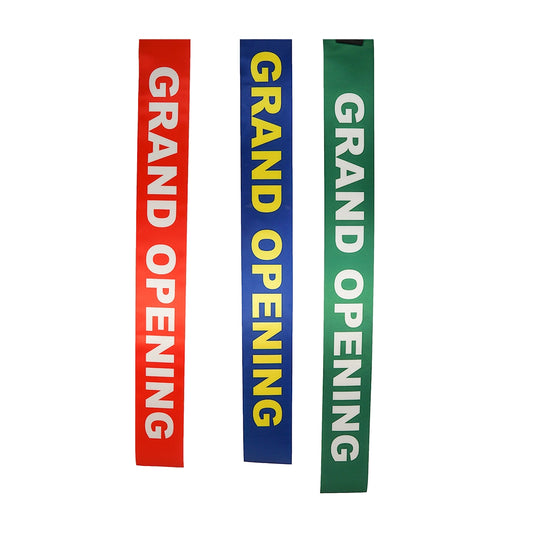
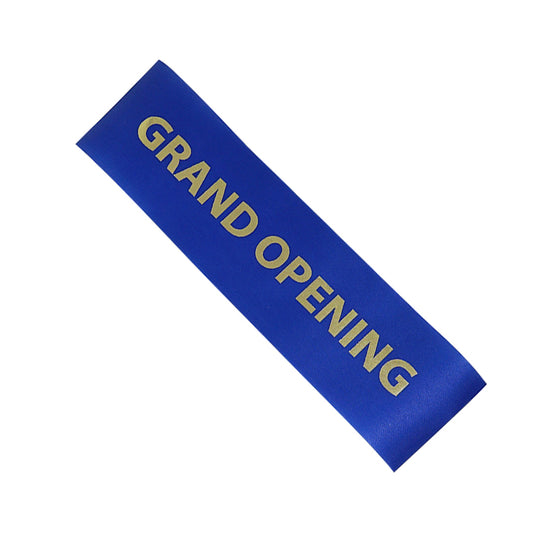
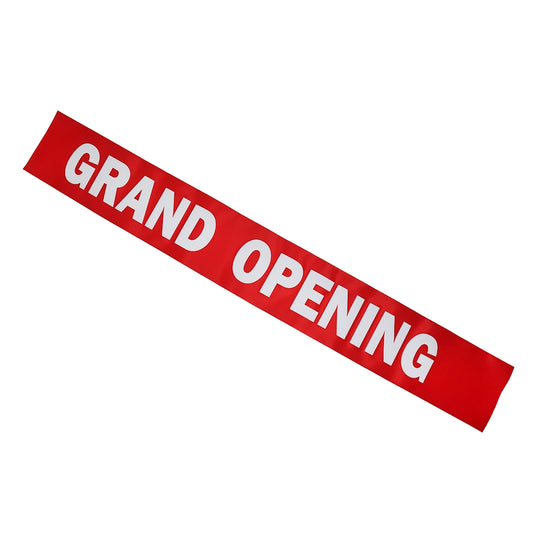
Ribbon graphics can add a creative touch to your invitation, tying in with the ribbon-cutting theme. Use them carefully to not overwhelm the design.
Balancing Images and Text
It's important to find a good balance between images and text. This keeps the invitation clear and focused. Make sure the main event details are clear, not hidden by pictures.
| Design Element | Purpose | Best Practices |
|---|---|---|
| Color Scheme | Evokes emotions and aligns with brand identity | Choose 2-3 colors that complement each other |
| Typography | Reflects brand personality and ensures readability | Use clear, consistent fonts; mix modern and classic for contrast |
| Visual Elements | Enhances appeal and helps guests visualize the event | Use relevant images; balance with text |
By thinking about color, typography, and visuals, you can make an invitation that grabs attention. It informs and excites your guests, preparing them for a memorable event.
Digital vs. Physical Ribbon-Cutting Ceremony Invitation Options
Ribbon-cutting ceremony invitations come in two main types: digital and physical. Each has its own good points and downsides. The right choice depends on who you're inviting, what you want to achieve, and how formal you want the event to be.
Pros and Cons of Email Invitations
Email invitations are a digital option. They're cheap, easy to send out, and you can see who's coming. But, they might get lost in emails or seem less formal. Make sure your subject line grabs attention and your invitation is clear.
Key benefits of email invitations:
- Cost-effective
- Easy to distribute
- RSVP tracking capabilities
Benefits of Traditional Printed Invitations
Printed invitations are a more personal and formal choice. They're great for events where you want to make a special impression. They can show off your brand and serve as a keepsake for guests.
The tactile experience of printed invitations can leave a lasting impression on recipients.
Hybrid Approaches for Maximum Reach
Think about mixing digital and physical invitations for the best results. Send out a digital invite first, then a printed one for VIPs or those who haven't replied. This way, you get the best of both worlds.
Knowing the strengths and weaknesses of digital and physical invitations helps event planners make the best choice for their event.
Timing Strategies for Sending Your Ribbon-Cutting Ceremony Invitation
To get a good turnout, plan when to send your ribbon-cutting ceremony invites carefully. The timing of your invite is key to your event's success.
Optimal Lead Times for Different Audience Types
Each group needs a different amount of time to attend your event. Knowing this helps get more RSVPs.
VIPs and Media Contacts
Send invites to VIPs and media 2-3 weeks early. This gives them time to plan and make arrangements. A formal invite with all the details helps them say yes.
General Public and Community Members
For everyone else, send invites 1-2 weeks before. This is enough notice without being too early. Adding local touches makes the invite more personal.
Effective Reminder Sequences
Reminders can really help get more people to RSVP. A good reminder plan keeps your event on people's minds.
A good reminder plan might include:
- An initial invitation
- A first reminder 1 week after the first invite
- A final reminder 2-3 days before the event
Using both email and social media for reminders can reach more people.
With the right timing and reminders, you can make your ribbon-cutting ceremony a hit.
Building Buzz Through Strategic Invitation Distribution
To create excitement for your ribbon-cutting ceremony, you need a smart invitation plan. It's not just about sending out invites. It's about making sure people see and get excited about them.
Leveraging Social Media Platforms
Social media is a great way to get your event noticed. By making interesting content and using the right hashtags, you can get more eyes on your invite. Sites like Facebook, Twitter, and LinkedIn help you reach the right people.
Tips for leveraging social media:
- Create an event page on Facebook to centralize information and RSVPs.
- Use Twitter to share updates and teasers about the event.
- Leverage LinkedIn for professional networking and promotion.
Engaging Local Media and Community Leaders
Working with local media and leaders can really help your event get noticed. Contact local newspapers, radio stations, and influencers to share the news. Personal invites to leaders can also get them to come and support your event.
Benefits of engaging local media and leaders:
- Increased local coverage and publicity.
- Enhanced credibility through community leader endorsements.
- Better engagement with the local community.
Creating FOMO With Your Messaging
Creating a sense of urgency or exclusivity can get more people to come. Use phrases like "limited spots available" or "exclusive preview" to create FOMO. Mentioning special guests or unique experiences can also make your event more attractive.
FOMO strategies:
- Limit the number of RSVPs to create scarcity.
- Announce special guests or performances.
- Offer exclusive previews or tours.
By using these strategies, you can make a big splash and get more people to your ribbon-cutting ceremony.
Tracking and Managing RSVPs Effectively
To get a good turnout at your ribbon-cutting ceremony, tracking and managing RSVPs is key. Good RSVP management helps with planning and gets people excited about your event.
Digital RSVP Management Tools
Digital tools make tracking RSVPs easier. Evite and Google Forms let you create RSVP forms quickly. You can share them via email or social media.
These tools give you updates on who's coming in real-time. This makes it simple to follow up with guests.
When choosing digital RSVP tools, look for these features:
- Customizable RSVP forms
- Automated reminders
- Integration with event calendars
Following Up With Confirmed Attendees
After people RSVP, it's important to follow up. A thank you note or a reminder about the event can help. It keeps attendees excited and informed.
Here are some follow-up tips:
- Sending a confirmation email with event details
- Providing updates on the event schedule or speakers
- Encouraging attendees to share the event on their social media channels
Real-World Examples of Successful Ribbon-Cutting Ceremony Invitations
Good ribbon-cutting ceremony invitations help get people excited and bring them to the event. Looking at real examples, we can see what works and how to use these ideas for our events.
Case Study: Small Business Grand Opening
A boutique in downtown Manhattan had a big success with their grand opening. They sent out physical invitations to their best customers and important people. At the same time, they made an online event page to reach more people.
This mix of old and new ways to invite people led to a 75% increase in attendance. This was way more than they had hoped for.
Case Study: Corporate Expansion Event
A tech company in Silicon Valley opened a new office with a ribbon-cutting ceremony. They used social media campaigns to get the word out. They shared fun updates and sneak peeks before the big day.
Thanks to their online efforts, over 500 guests showed up. This was a huge success for the company.
Case Study: Community Project Launch
A community center opened a new recreational area with a ribbon-cutting ceremony. They got the news out through local media outlets and community newsletters. This made sure lots of people knew about it.
Many local leaders and community members came to the event. This showed how well their invitation plan worked.
These examples show how important it is to make invitations that fit the event and its audience. By doing this, organizers can get more people to come and make the event unforgettable.
Conclusion

A well-designed ribbon-cutting ceremony invitation is key for event planning. It sets the tone and encourages people to come. By including important details, exciting descriptions, and clear calls to action, you can make a big impact.
Good invitation design is more than looks. It's about sending a clear message that grabs your audience's attention. Using colors, fonts, and images, you can show off your brand and event's spirit.
Choosing digital, physical, or a mix of invitations is up to you. The goal is to make your guests' experience smooth. By keeping track of RSVPs, you can ensure a great turnout and make your event unforgettable.
FAQ
What is the ideal lead time for sending ribbon-cutting ceremony invitations?
The lead time depends on who you're inviting. For VIPs and media, send 2-4 weeks early. For the public and community, 1-2 weeks is enough.
How do I create a compelling event description for my ribbon-cutting ceremony invitation?
Highlight the main points of your event. This could be the grand opening or a new product launch. Keep it short and clear, telling guests what to expect.
What are the essential elements that should be included in a ribbon-cutting ceremony invitation?
Include the date, time, and where it's happening. Also, RSVP details and any special guests. Make sure to tell guests what to do next and why they should come.
Can I use digital RSVP management tools for my ribbon-cutting ceremony?
Yes, digital tools make RSVPs easier. You can use online platforms or email software to track responses.
How can I create FOMO (Fear of Missing Out) with my ribbon-cutting ceremony invitation messaging?
Use urgent language like "limited spots" or "exclusive opportunity." Highlight special guests or unique experiences to make guests feel they won't want to miss it.
What are the benefits of using a hybrid approach for sending ribbon-cutting ceremony invitations?
A hybrid approach uses both digital and physical invites. Send digital invites widely and physical ones to VIPs. This maximizes your reach and impact.
How can I effectively follow up with confirmed attendees for my ribbon-cutting ceremony?
Send reminder emails with updates on the event. Use social media to engage with guests and build excitement.
What are some effective strategies for building buzz around my ribbon-cutting ceremony?
Use social media, engage local media and leaders, and create FOMO. Eye-catching visuals and compelling descriptions also help generate excitement.