How to Pick the Perfect Stanchion for Small Venues vs. Large Stadiums

Managing crowds effectively is crucial for any event, whether it's held in a small venue or a large stadium. Efficient crowd control ensures a smooth and safe experience for attendees. One key element in achieving this is the use of stanchions, which help guide and direct the flow of people.
The challenge lies in selecting the right stanchion for the specific venue size. Small venues require a different approach compared to large stadiums, where the crowd size and layout can be vastly different. Understanding these differences is essential for effective venue management.
Key Takeaways
- Understanding the importance of crowd control in different venue sizes.
- Recognizing the role of stanchions in managing crowd flow.
- Identifying the unique challenges of small venues versus large stadiums.
- Learning how to choose the right stanchion for your venue.
- Implementing effective venue management strategies.
Understanding Stanchions and Their Purpose
Stanchions are a crucial element in managing crowds effectively across various venues. They serve as a visual guide to direct foot traffic, creating orderly queues and maintaining a smooth flow of attendees.
What Are Stanchions?
Stanchions are posts or pillars used to control and direct crowds. They are often equipped with retractable belts, ropes, or other barriers to delineate areas and guide people through a venue.
Common Uses in Crowd Management
In event planning, stanchions are used to manage lines, secure restricted areas, and ensure a safe and organized environment. They are versatile and can be adapted to various settings, from small events to large gatherings.
The Impact of Venue Size on Stanchion Selection
The size of a venue significantly influences the type of stanchion needed. For instance, smaller venues require more compact and versatile stanchions, while larger venues or stadiums may necessitate more robust and durable options to handle higher volumes of people.
Understanding these differences is key to selecting the right stanchions for effective crowd management.
Types of Stanchions Available in the Market
The market offers a variety of stanchions designed to cater to different venue sizes and crowd management needs. These stanchions are designed to provide effective queue management and security systems for various events and venues.
Retractable Belt Stanchions
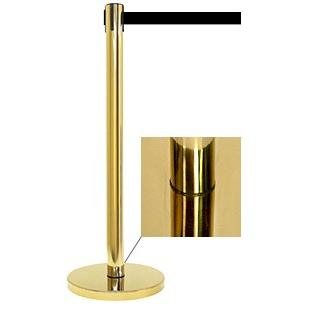
Retractable belt stanchions are a popular choice for many venues due to their versatility and ease of use. They feature a retractable belt that can be extended to create a queue or barrier and retracted when not in use. This type of stanchion is ideal for venues that require flexible crowd management solutions.
Key benefits:
- Ease of use and deployment
- Flexibility in creating queues or barriers
Post and Rope Stanchions
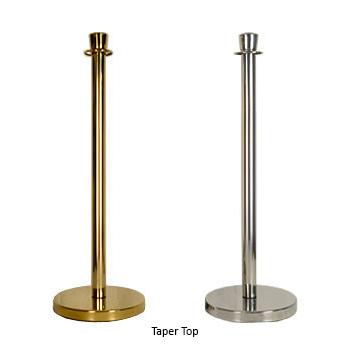
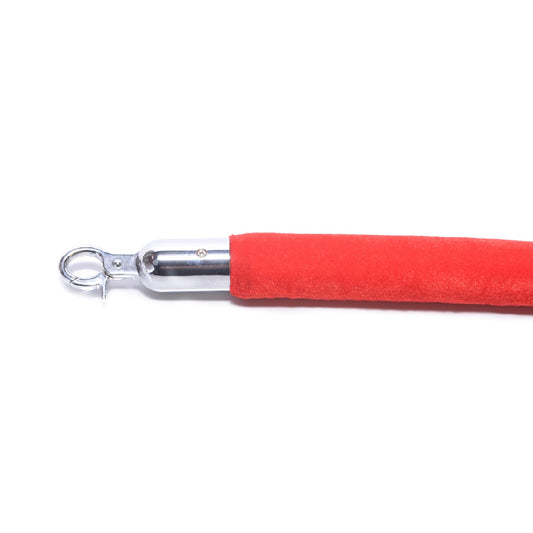
Post and rope stanchions offer a classic and elegant solution for crowd management. They consist of sturdy posts connected by ropes, creating a visually appealing barrier. This type of stanchion is often used in upscale events, museums, and historic venues.
Advantages:
- Aesthetic appeal
- Durable and sturdy construction
- Can be used to create complex queue configurations
Fixed Stanchions
Fixed stanchions are permanently installed and provide a robust solution for crowd management. They are often used in high-traffic areas, such as stadiums, airports, and train stations.
Benefits:
- High durability and stability
- Effective for high-volume traffic management
- Can be integrated with security systems
Wall-Mounted Options
Wall-mounted stanchions are ideal for venues with limited floor space. They can be attached to walls, providing a secure and space-efficient crowd management solution.
Advantages:
- Space-saving design
- Easy to install
- Ideal for narrow corridors or small areas
In conclusion, the type of stanchion chosen depends on the specific needs of the venue, including the size of the area, the expected crowd volume, and the desired level of flexibility. By understanding the different types of stanchions available, venues can make informed decisions to enhance their crowd management and security systems.
The Anatomy of a Quality Stanchion
When it comes to selecting the right stanchion for your venue, understanding its anatomy is crucial. A well-designed stanchion is essential for effective crowd management in various settings, from small venues to large stadiums.
Base Construction and Stability
The base of a stanchion is its foundation, providing the necessary stability to withstand various environmental conditions. A sturdy base is crucial for preventing the stanchion from tipping over. Heavy-duty materials and a wide base design contribute to its stability.
Post Materials and Finishes
The post's material and finish play a significant role in the stanchion's durability and aesthetic appeal. Common materials include stainless steel, aluminum, and plastic. The finish can range from simple colors to custom designs, allowing for branding opportunities.
Connection Mechanisms
The connection mechanism, whether it's for retractable belts or ropes, must be reliable and easy to use. Durable connectors ensure that the stanchion remains functional over time.
Weight and Portability Factors
For venues that require frequent setup and teardown, the weight and portability of stanchions are vital. Lightweight yet sturdy designs facilitate easy transportation and storage.
By focusing on these key components, event planners and venue managers can select stanchions that meet their specific needs, enhancing overall crowd management and event success.
Small Venue Stanchion Requirements
The challenge of managing crowds in small venues can be met with the appropriate stanchion solutions. Small venues, such as boutique stores, restaurants, or small event spaces, require effective crowd control measures that are both functional and aesthetically pleasing.
Space Optimization Strategies
Optimizing space is crucial in small venues. Retractable belt stanchions are particularly useful as they can be easily moved or retracted when not in use, maximizing available space. Strategically placing stanchions to guide customers through the venue without obstructing pathways is key.
Traffic Flow in Limited Areas
Managing traffic flow is essential to prevent congestion. Using stanchions to create a clear queue management system helps direct foot traffic efficiently. This can be particularly important in areas like ticket counters or checkout lines.
Versatility for Multiple Functions
Small venues often host multiple types of events. Therefore, stanchions need to be versatile. Options like wall-mounted stanchions or those with interchangeable belts and posts can adapt to different layouts and functions, making them ideal for venues with varied needs.
Storage Solutions for Limited Space
When not in use, stanchions need to be stored efficiently. Collapsible or retractable stanchions are excellent for this purpose, as they take up minimal space. Some venues also use wall-mounted storage racks for their stanchions, keeping them organized and out of the way.
By considering these factors, small venues can effectively utilize stanchions to enhance their crowd management strategies, ensuring a smooth and pleasant experience for their patrons.
Large Stadium Stanchion Solutions
Large stadiums present unique challenges for crowd management, necessitating robust and adaptable stanchion solutions. Effective crowd control is crucial for ensuring the safety and enjoyment of spectators at major events.
High-Volume Traffic Management
Managing high-volume traffic in large stadiums requires stanchions that are not only durable but also strategically placed to direct crowds efficiently. Retractable belt stanchions are particularly useful in these settings due to their flexibility and ease of use.
Weather-Resistant Options for Outdoor Use
For outdoor events, stanchions must be able to withstand various weather conditions. Stainless steel and aluminum stanchions are popular choices due to their weather resistance and durability. Ensuring that stanchions are securely anchored is also crucial to prevent them from being toppled by wind or crowds.
Integration with Security Systems
Integrating stanchions with security systems enhances crowd control by allowing for real-time monitoring and adjustments. This can include using stanchions with built-in sensors or integrating them with CCTV cameras to monitor crowd flow and detect potential security threats.
Scaling Considerations for Major Events
For major events, it's essential to scale stanchion numbers according to the expected crowd size. This involves planning and coordination with event organizers and security personnel to ensure that there are sufficient stanchions to manage the crowd effectively without causing undue delays or congestion.
By addressing these considerations, large stadiums can implement effective stanchion solutions that enhance crowd management, safety, and the overall spectator experience.
Portable vs. Permanent Stanchion Installations
The debate between portable and permanent stanchion installations is crucial for venues aiming to optimize crowd management and enhance the attendee experience. The choice between these two options depends on various factors, including the type of events hosted, the venue's layout, and the desired level of flexibility.

When to Choose Portable Options
Portable stanchions are ideal for venues that host temporary or seasonal events. They offer the flexibility to be easily moved or reconfigured as needed. Some benefits of portable stanchions include:
- Easy to set up and dismantle
- Can be used in various locations within the venue
- Cost-effective for venues with changing event requirements
Benefits of Permanent Installations
Permanent stanchion installations are suitable for venues with consistent crowd management needs. They provide a durable and long-lasting solution that can withstand heavy use. The advantages of permanent installations include:
- Enhanced durability and stability
- Reduced maintenance costs over time
- Integration with the venue's architecture
Hybrid Approaches for Flexible Venues
Some venues may benefit from a hybrid approach, combining both portable and permanent stanchion installations. This allows for flexibility in managing different types of events. For instance, a venue might use permanent stanchions for regular events and supplement with portable stanchions for special occasions.
Quick-Setup Solutions for Temporary Events
For temporary events, quick-setup stanchion solutions are essential. These systems are designed to be easily deployed and retracted, minimizing setup time and labor costs. Efficient crowd management is critical in these scenarios, and portable stanchions can play a vital role.
As emphasized by industry experts, "The key to effective crowd control lies in the ability to adapt to different event scenarios, making the choice between portable and permanent stanchions a critical decision."
Stanchion Materials and Durability Comparison
Different materials used in stanchion construction offer varying levels of durability and visual appeal. The choice of material is crucial for ensuring that the stanchions meet the demands of different venues and event types.
Stainless Steel Options
Stainless steel stanchions are known for their durability and resistance to corrosion. They are ideal for high-traffic areas and outdoor events where they may be exposed to various weather conditions. "Stainless steel is a popular choice due to its strength and longevity," as noted by event planning experts.
Aluminum Alternatives
Aluminum stanchions offer a lightweight alternative that is easy to transport and set up. They are suitable for venues where portability is a key consideration. However, they may not be as durable as stainless steel options.
Plastic and Composite Materials
Plastic and composite stanchions are cost-effective and available in various colors and designs. They are suitable for indoor events and venues where a lighter, more flexible option is needed.
Material Selection Based on Venue Type
The selection of stanchion material should be based on the specific needs of the venue, including factors such as traffic volume, weather exposure, and aesthetic requirements. By choosing the right material, event planners can ensure effective crowd management and enhance the overall event experience.
Customization Options for Branded Stanchions
Customizing stanchions can elevate a venue's brand identity and enhance the overall event experience. By incorporating branding elements into crowd control measures, venues can create a cohesive and professional atmosphere.
Color Matching with Venue Aesthetics
Color matching is another crucial aspect of branding stanchions. By selecting stanchions that match or complement the venue's color scheme, venues can create a visually appealing and cohesive environment.
Custom Messaging on Retractable Belts
Custom messaging on retractable belts offers an additional layer of branding and communication. Venues can use this feature to display important messages, directions, or even advertisements.
Digital Display Integration for Modern Venues
For modern venues, integrating digital displays into stanchions can provide a dynamic and engaging experience. This can include LED screens or digital signage that can be easily updated.
Safety Considerations for Different Venue Sizes
Safety considerations are vital when managing different venue sizes, and the right stanchion system can make all the difference. Effective crowd management relies on a combination of proper planning, appropriate equipment, and a thorough understanding of the venue's specific needs.
Emergency Egress Planning
One of the critical safety aspects is emergency egress planning. Ensuring that crowds can exit quickly and safely in case of an emergency is paramount. Stanchions should be positioned to facilitate clear exit routes.
ADA Compliance Requirements
ADA compliance is another crucial factor. Stanchions and crowd control systems must be designed to accommodate individuals with disabilities, providing equal access to all areas of the venue.
Crowd Pressure Management in Large Gatherings
Managing crowd pressure is essential in large gatherings. Stanchions help to direct the flow of people, preventing overcrowding and reducing the risk of accidents.

Risk Assessment for Various Venue Types
Conducting a thorough risk assessment tailored to the specific venue type is necessary. This involves identifying potential hazards and implementing measures to mitigate them, ensuring a safe environment for all attendees.
Practical Implementation: Setting Up Your Stanchion System
Implementing a stanchion system effectively is crucial for managing crowds in various venues. A well-planned setup ensures that attendees are guided smoothly through the event space, enhancing their overall experience.
Spacing Guidelines for Different Applications
The spacing between stanchions depends on the venue's specific requirements. For instance, in areas with high foot traffic, stanchions should be placed closer together to maintain order. Typically, a spacing of 3 to 5 feet is recommended, but this can vary based on the event type and venue layout.
Creating Effective Queue Lines
To create effective queue lines, stanchions should be positioned to guide attendees in an orderly fashion. Using retractable belts or ropes can help manage the flow and keep the queue organized. It's also essential to clearly mark the queue path to avoid confusion.
Directional Flow Management
Managing directional flow involves strategically placing stanchions to direct attendees towards their desired destinations. This can be achieved by creating clear pathways and using stanchions to divert or guide the crowd as needed.
Staff Training for Optimal Use
Training staff on how to effectively use and manage stanchion systems is vital. They should understand how to adjust the stanchions according to the event's needs and how to handle crowd dynamics. Proper training ensures that the stanchion system operates smoothly, enhancing the overall event experience.
By following these guidelines, event organizers can ensure that their stanchion system is set up to maximize crowd control and improve the attendee experience.
- Assess the venue to determine the optimal stanchion placement.
- Train staff on stanchion management and crowd control techniques.
- Adjust stanchion spacing based on the event's specific needs.
Maintenance and Care of Stanchions
Proper maintenance is crucial for extending the lifespan of stanchions used in various venues. Regular care ensures that stanchions continue to function effectively, managing queues and crowds safely.
Cleaning Protocols for Different Materials
Different materials require specific cleaning protocols. For instance, stainless steel stanchions can be cleaned with mild soap and water, while plastic or composite materials might require specialized cleaners. It's essential to follow manufacturer guidelines to avoid damaging the stanchions.
Preventative Maintenance Schedule
Establishing a regular maintenance schedule can help identify potential issues before they become major problems. This includes checking for wear and tear on belts, posts, and bases.
Extending the Lifespan of your stanchion investment involves not just cleaning but also proper storage and handling. Ensuring that stanchions are not exposed to harsh conditions unnecessarily can significantly extend their lifespan.
When to Replace Versus Repair
Deciding whether to repair or replace a stanchion depends on the extent of the damage. Minor issues can often be repaired, but significant damage may warrant replacement to maintain safety and functionality.
Conclusion: Making the Final Stanchion Selection
Selecting the right stanchion for your venue is crucial for effective crowd control and event planning. As discussed, the size of the venue, type of event, and specific crowd management needs play a significant role in determining the most suitable stanchion.
When making your final stanchion selection, consider the various factors outlined in this article, including the type of stanchion, material, and customization options. For instance, retractable belt stanchions are ideal for creating flexible queue lines, while fixed stanchions provide a more permanent solution.
By understanding your venue's unique requirements and choosing the appropriate stanchion, you can ensure a safe and organized experience for attendees. Whether you're managing a small venue or a large stadium, the right stanchion can make all the difference in event planning and crowd control.
Investing time in selecting the perfect stanchion will ultimately enhance the overall success of your event. Consider your options carefully and choose a stanchion that meets your needs, ensuring a well-managed and enjoyable experience for all.
FAQ
What type of stanchion is best suited for a small venue?
For small venues, retractable belt stanchions or post and rope stanchions are often ideal due to their versatility and space optimization capabilities.
How do I choose the right material for my stanchions?
The choice of material depends on the venue type, durability requirements, and aesthetic preferences. Stainless steel and aluminum are popular for their durability, while plastic and composite materials offer a more budget-friendly option.
What safety considerations should I keep in mind when using stanchions?
Key safety considerations include planning for emergency egress, complying with ADA requirements, managing crowd pressure, and conducting risk assessments tailored to your venue type.
How often should I maintain my stanchions?
Regular maintenance is crucial to extend the lifespan of your stanchions. This includes cleaning protocols, preventative maintenance schedules, and deciding when to replace versus repair stanchions.
Are portable stanchions as durable as permanent installations?
Portable stanchions can be just as durable as permanent installations if chosen from high-quality materials and properly maintained. They offer the added benefit of flexibility for different events and venues.
How do I determine the correct spacing for my stanchion system?
Spacing guidelines vary depending on the application, such as creating queue lines or managing directional flow. It's essential to consider the specific needs of your venue and event to determine the optimal spacing.
Can stanchions be integrated with security systems?
Yes, stanchions can be integrated with security systems, especially in large stadiums or venues with high-security requirements, to enhance crowd management and safety.